Bowls of Hope When Hunger Strikes, We Feed Them
Every day, thousands of street animals across India go hungry. They cannot find food. They cannot ask for help. They can only wait hoping someone will notice, someone will care, someone will feed them. This campaign is that someone.
Multi-city operations · Chennai, Mumbai, Tamil Nadu, Maharashtra
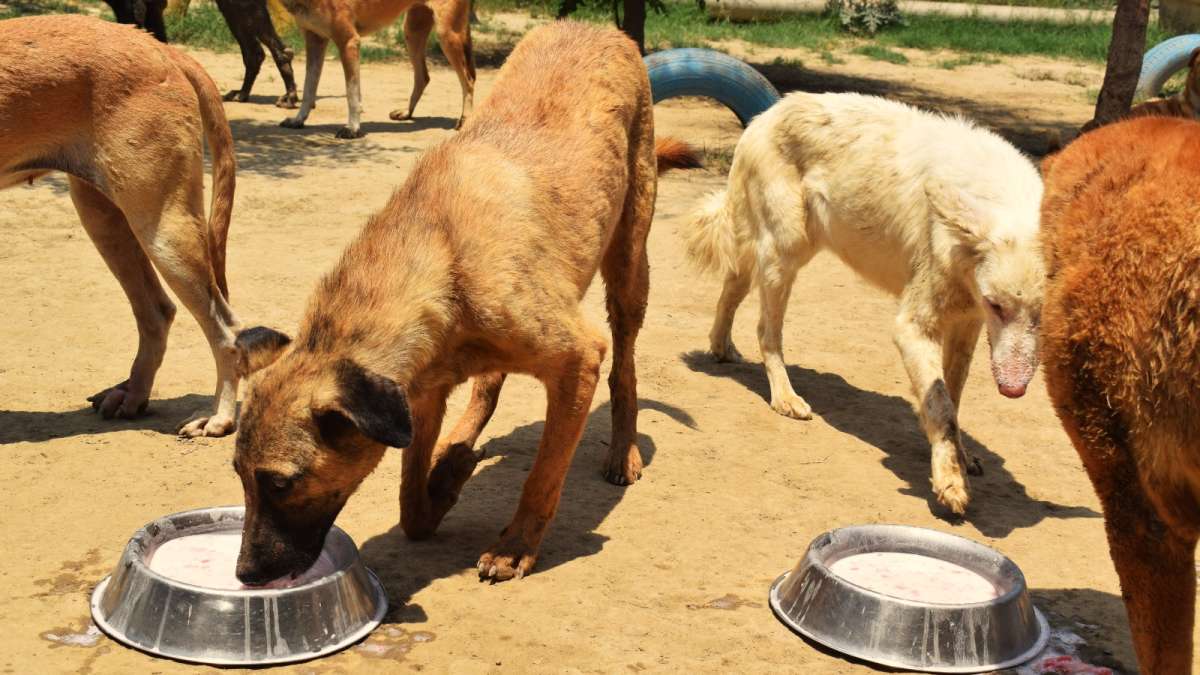
When Hunger Strikes
India has one of the largest stray animal populations in the world. Every day, millions of dogs, cats, and other animals struggle to find food and clean water. In cities like Chennai and Mumbai, street animals face constant hunger, malnutrition, and dehydration. They scavenge through garbage, compete for scraps, and often go days without a proper meal.
The 2023 survey in Chennai revealed that over 60% of street animals showed signs of malnutrition. Many animals are too weak to search for food. Many are too sick to eat even when food is available. The result: animals suffer, communities face conflicts, and the cycle of hunger continues day after day, month after month.
The 2024 study showed that without systematic feeding programs, street animals face starvation, disease, and death. During extreme weather conditions, the situation becomes even more critical. Animals cannot find food in flooded streets. They cannot access water during droughts. They cannot survive without help.

The Daily Crisis No One Sees
Street animal hunger is not a rare disaster. It is a daily reality. In Chennai and Mumbai alone, thousands of animals go hungry every single day. They scavenge through garbage, compete for scraps, and often go days without a proper meal. The animal toll runs into the hundreds of thousands. Dogs, cats, and other animals are all caught in the same relentless cycle of hunger and suffering.
The tragedy is compounded by what happens when animals are malnourished. Weak animals are more susceptible to disease. Hungry animals are more likely to engage in conflicts. Starving animals cannot survive extreme weather conditions. Without intervention, the cycle of hunger continues, affecting both animal welfare and community harmony.
And then there is the suffering. During hunger, animals are often desperate. They cannot find food. They cannot ask for help. They can only wait hoping someone will notice, someone will care, someone will feed them. The most heartbreaking aspect of street animal hunger is how preventable many of them are. In most cases, animals did not need sophisticated solutions. They just needed someone to feed them.
The Hidden Victims
In every city, the focus of animal welfare is often on rescue and adoption. Shelters prioritise rescued animals. Organisations focus on medical care. Media coverage centres on adoption stories. This is as it should be. But in the shadow of every animal welfare system, there are street animals who receive almost no attention, no food, and no systematic support.
Animals Cannot Feed Themselves
When animals are hungry, they face a choice: search for food and risk danger, or wait and hope for help. Many choose to wait. A dog without access to food will go hungry every day. A cat without proper nutrition will become weak and sick. An animal without feeding support will struggle to survive. The most heartbreaking aspect of street animal hunger is how preventable many of them are. In most cases, animals did not need sophisticated solutions. They just needed someone to feed them.
Street animals are particularly vulnerable. They have no owners to feed them. An animal in a busy city has no reliable food source, no clean water access, and no support system. It simply searches for food until it cannot search anymore, and then it waits until it cannot wait anymore. Many do not survive. Those that do are left malnourished, weak, and susceptible to disease.

The Post-Hunger Health Crisis
Going hungry is only the first challenge. In the weeks that follow, malnutrition takes its toll. Weak animals are more susceptible to disease. Hungry animals cannot fight infections. Malnourished animals cannot recover from injuries. Without proper nutrition, many of these health challenges are fatal.
Without feeding intervention, many of these health challenges are permanent. Animal welfare infrastructure in cities is already stretched thin under normal circumstances. After animals become malnourished, it is essentially impossible for them to recover without help. Shelters lack resources for all animals. Communities lack awareness about animal nutrition. The animals that go hungry often remain weak and sick, simply because no one was there to feed them.
Community Impact and Harmony
For millions of communities, street animals are not just individuals. They are part of the urban ecosystem. A well-fed animal is healthier and less likely to cause conflicts. A nourished animal is calmer and more approachable. When animals go hungry, communities face increased conflicts, disease risks, and lost opportunities for human-animal harmony. Bowls of Hope understands that feeding animals is inseparable from building community harmony.
How Bowls of Hope Responds
Bowls of Hope was built on a simple operational principle: when animals are hungry, they need someone who is ready to feed them immediately, with the right food, the right schedule, and the right consistency. Every day of delay costs animal lives. The programme maintains year-round operations so that when animals need food, teams are ready to feed them.
Organized Feeding Stations
The programme maintains 25+ feeding stations across Chennai and Mumbai with daily feeding schedules. Each station provides balanced, nutritious meals at consistent times. Trained volunteers ensure animals receive proper nutrition and clean water. Feeding stations are strategically located in areas with high animal populations, ensuring maximum impact.
Each feeding station operates on a fixed schedule, allowing animals to develop routines and trust. Volunteers maintain detailed records of feeding activities, animal health, and community engagement. GPS tracking and daily reports ensure every feeding station operates effectively. In the 2024 program year, Bowls of Hope fed over 2,000 animals daily across 25+ feeding stations.

Community Volunteer Networks
Feeding is only the first step. Once animals receive food, they need ongoing support. The programme trains community volunteers who provide daily feeding, monitor animal health, and engage with communities. Each volunteer receives training on animal nutrition, feeding schedules, and community engagement. Volunteers become advocates for animal welfare in their neighborhoods.
The volunteer network protocol includes regular training sessions, support groups, and recognition programs. Volunteers learn how to feed animals safely, monitor health, and engage communities. Follow-up sessions ensure volunteers have ongoing support and that feeding operations continue effectively. During the 2024 program year, Bowls of Hope trained over 500 volunteers across Chennai and Mumbai, creating a sustainable network of animal welfare advocates.
Nutrition Monitoring and Health Support
One of the most important and most overlooked aspects of animal feeding is health monitoring. When animals receive consistent nutrition, their health improves. The programme monitors animal health, identifies animals needing medical care, and coordinates with partner veterinary facilities. This work directly supports the **Zero Rabies Deaths by 2030** mission by ensuring animals are healthy enough for vaccination. In the 2024 program year, Bowls of Hope referred over 200 animals to veterinary care, ensuring that fed animals remain healthy and strong.
CSR & Corporate Partnerships
We invite companies to join our **CSR for animal welfare** initiatives. Our **CSR project for animal nutrition** and **corporate sponsorship for animal feeding** provide sustainable impact.
- Support animal welfare NGO India programs through CSR
- Customized feeding station sponsorships in your city
- Employee engagement in animal care and feeding
In Their Own Words
"The Bowls of Hope program has transformed our community. Street animals are healthier, happier, and the community has learned to care for them. This program shows that compassion can solve even the biggest challenges."
"Before this program, we had many conflicts with stray animals. Now, with regular feeding, the animals are calmer and the community has learned to coexist peacefully. Bowls of Hope has brought harmony to our neighborhood."
Bowls of Hope in Action

Animal feeding programs India - volunteers feed stray animals with nutritious meals daily

How to feed stray animals India - community members support animal nutrition programs

Help feed street animals - dedicated volunteers support animal feeding initiatives

Animal feeding programs Mumbai & Chennai - feeding stations provide consistent nutrition

Feed hungry animals India through animal nutrition support and welfare programs
About AnimalCare India
AnimalCare India
Compassion in action, transparency in practice
How Systematic Street Feeding Changes Cities
Random feeding — rice tossed at midnight, bread at traffic junctions — creates territorial fights, waste, and resident complaints. Bowls of Hope runs mapped feeding stations with fixed times, measured nutrition, and volunteer rosters so animals know where to come and communities know when routes operate.
In Chennai and Mumbai, the programme serves 2,000+ animals daily across rotating routes. Meals are formulated with vet input (protein, calcium, hydration) — not leftover restaurant scraps. Stations include clean water points; several tie into ABC (animal birth control) census data so the same colonies receive vaccination follow-ups.
Volunteer and donor roles
- ₹100/day donor: sponsors one feeding round for a station cluster.
- Weekend volunteer: 6–8am route helper — load bowls, log counts, report injured animals.
- Corporate team: sponsor a month of nutrition for one ward + employee feeding day.
Related: Volunteer in Delhi NCR · Rabies vaccination drives · Animal welfare Mumbai
Frequently Asked Questions
445 People Stepped Up. Will You?
It takes 2 minutes to sign up and one share to start feeding hungry animals. No special training needed. No minimum commitment. Just the will to ensure no animal goes hungry.